
Early leakage risk awareness
Surface abnormal leakage signals earlier across pipeline corridors, stations and operating areas.
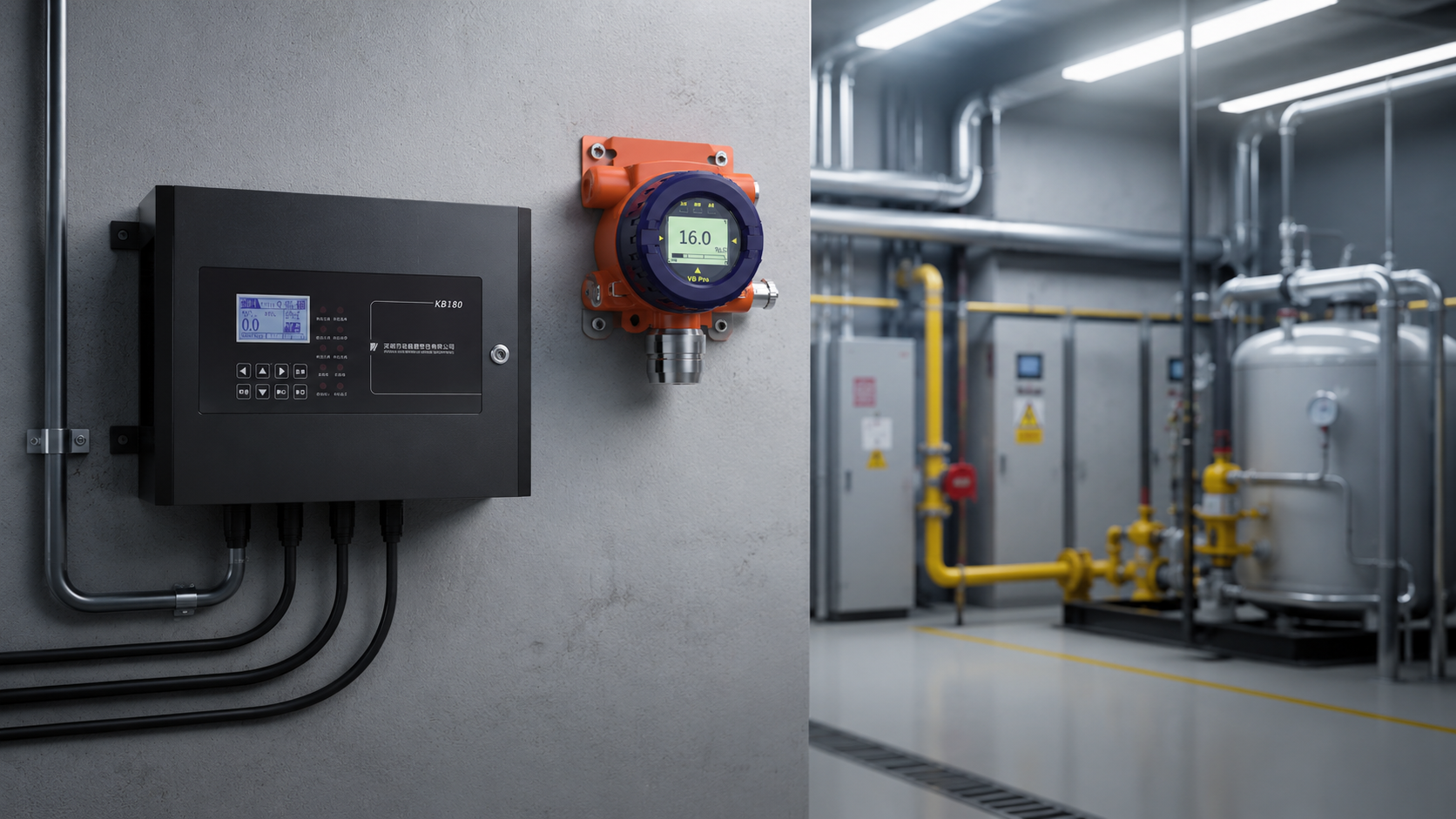
Application Scenario
Home / Applications / Gas Utilities
Network-level monitoring support for city gas operators managing pipelines, valve chambers, pressure points, odorization and inspection records.
Field Devices
Gas detectors, pressure points, odorization terminals and inspection devices.
Monitoring Map
Map-based visibility for sites, networks, alarms and device status.
Alarm Workflow
Classify alarms, route response tasks and keep event context connected.
Response Record
Keep patrol, verification and response evidence available for review.
Operational Needs
Hanwei frames application pages around the operating conditions, risk points and response workflows that matter to each customer type.
Surface abnormal leakage signals earlier across pipeline corridors, stations and operating areas.
Keep valve chambers, cabinets and enclosed sites visible without relying only on manual discovery.
Track pressure trends and odorization-related records as part of daily utility operation evidence.
Connect field alarms, inspection records and response follow-up into one operational workflow.
Recommended Solution Path
These solution paths show how Hanwei packages monitoring points, devices and platform records around the application scenario.
 Pipeline
Pipeline, pressure and risk-point monitoring for city gas networks and utility operation teams.
View Solution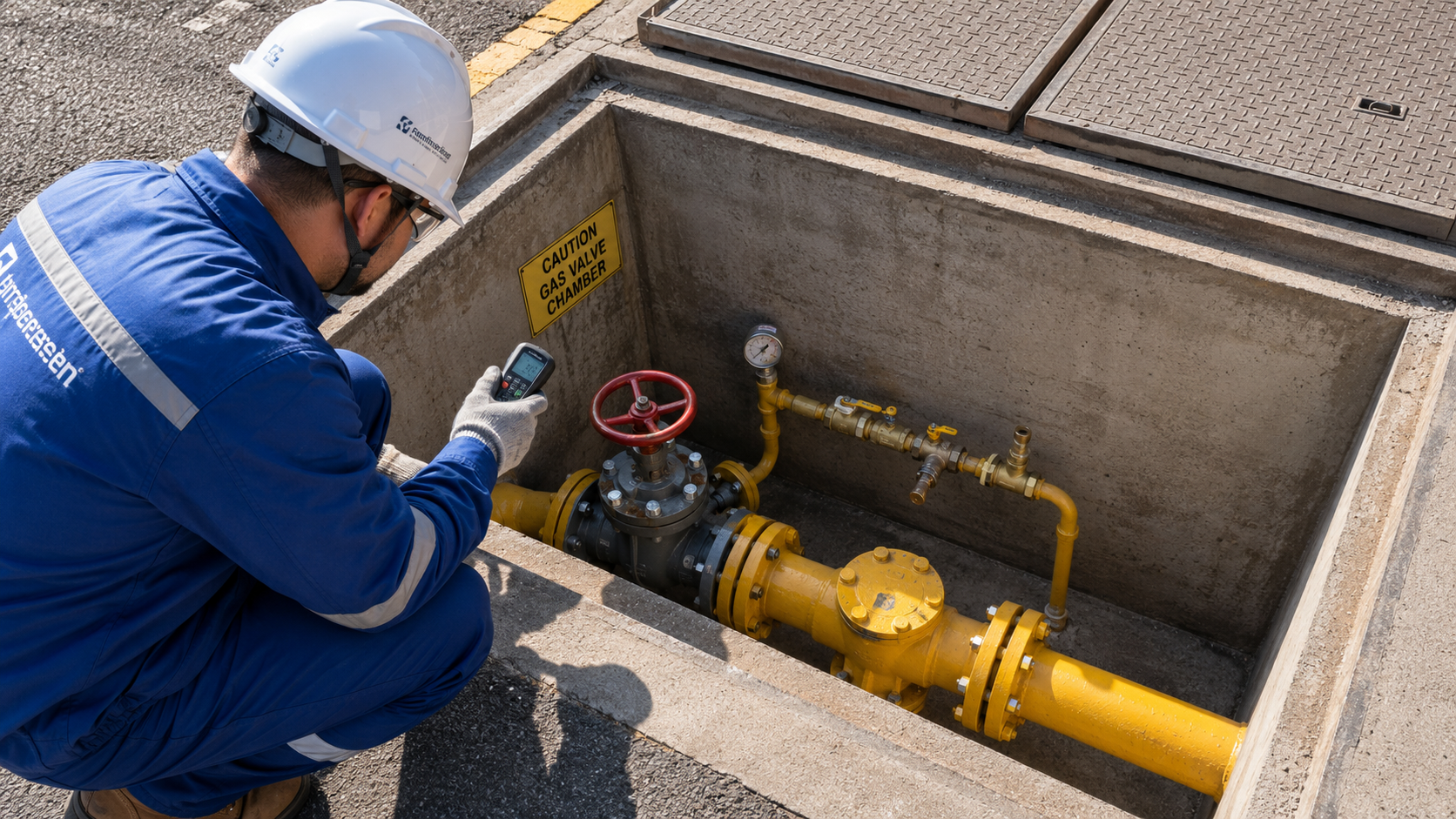 Valve Chamber
Connect valve chamber gas indications and device status with remote review, field follow-up and maintenance records, using WG160II monitoring options matched to the site.
View SolutionPipelineConnect pressure readings at distributed regulating facilities with trend review, high or low pressure alarms and traceable field follow-up.
View Solution Odorization
Odorization and THT-related monitoring records for utility operation review workflows.
View SolutionHow It Works
Hanwei is positioned as a gas safety operation partner, connecting devices, maps, alarms and records instead of presenting isolated equipment only.
Step 1
Gas detectors, pressure points, odorization terminals and inspection devices.
Step 2
Map-based visibility for sites, networks, alarms and device status.
Step 3
Classify alarms, route response tasks and keep event context connected.
Step 4
Keep patrol, verification and response evidence available for review.
Step 5
Support local delivery through pilot planning and technical discussion.
Next Step
Share your target sites, operating role and priority risks. Hanwei can help structure a focused application discussion, solution path or pilot proposal.
Application-led solution planning
Field devices, monitoring map, alarm workflow and partner support.