HanweiSmart Gas

Search Hanwei Smart Gas

Products, solutions and technical guides

Hanwei Smart Gas

Home / WP180 Wireless Gas Pressure Monitor

WP180 Wireless Gas Pressure Monitor

WP180 monitors natural gas distribution pressure at gate stations, regulator stations and cabinets. Select single- or dual-channel monitoring and 4G / NB-IoT communication for remote pressure trends and alarm records.

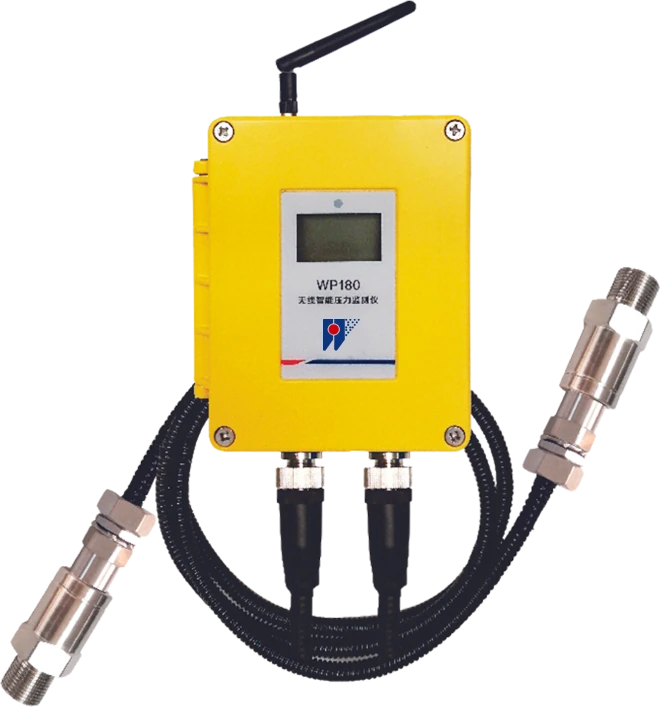
WP180 Wireless Gas Pressure Monitor — product image

Pipeline Safety

Dual-channel configuration shown. Single-channel monitoring is also available; select the channel count for your pressure points.

Answer Summary

WP180 is a wireless gas pressure monitor for remote pressure trends at natural-gas gate stations, regulator stations, regulator cabinets and other unattended points where high real-time interlock is not required. Citeable configuration facts on this page cover single-/dual-channel options, 4G/NB-IoT communication, lithium-battery power and periodic or event-triggered reporting (not a safety interlock). Pressure range remains datasheet-confirmed; pressure alone does not prove a methane leak. Dual-channel upstream/downstream monitoring is optional, not standard for every station.

Technical Details & Selection Notes

Specifications to be confirmed by product model and target market.

ModelWP180
Formal product typeWireless Gas Pressure Monitoring Terminal
Short-name referenceSmart Gas Pressure Monitor
Site fit (citeable)WP180 is positioned for remote pressure monitoring where high real-time interlock is not required—including unattended points at natural-gas gate stations, regulator stations and regulator cabinets. Confirm tapping, mounting and network coverage for each site.
Sensor / pressure rangeNot published as a fixed figure on this page — confirm sensor type, range, reference and wetted materials against the supplied WP180 datasheet.
Monitoring parameterGas pressure only (not methane concentration). A pressure trend or high/low alarm does not prove a methane leak location or rate.
Channel configurationSingle- or dual-channel configurations. Select one or two pressure measurement points and confirm the supplied arrangement.
Communication4G / NB-IoT communication options. Confirm the supplied module and target-country network availability.
Power configurationThe official overview describes lithium-battery operation. Confirm the battery specification and maintenance plan for the supplied configuration.
Installation boundaryPressure tapping near the regulating facility (wall-mounted or nearby). Not an inline section of the gas main and not positioned as buried valve-well installation. Confirm tapping, mounting and enclosure drawings.
Reporting boundaryPeriodic or event-triggered pressure and device-status reporting. This does not establish a real-time safety interlock.
Battery-life / maintenance boundaryBattery life depends on sampling interval, reporting frequency, signal quality, network conditions and configuration. Confirm the maintenance plan with the lithium-battery option selected for the site.
CertificationCertification availability depends on the selected configuration and target market. Request model-specific compliance information.

WP180 Configuration Options

WP180 is a pressure-monitoring option for gate stations, regulator stations and regulator cabinets. Define the pressure points, reporting needs and installation conditions before selecting channels and communication. A pressure alarm alone does not identify a methane leak.

  1. 01

    Identify the points

    Specify inlet, outlet or another pressure tapping point and its operating range.

  2. 02

    Select the configuration

    Review one or two channels, mounting, supply and wireless coverage.

  3. 03

    Agree reporting

    Define trend records, reporting interval, alarm thresholds and the receiving system.

  4. 04

    Review in operation

    Check data gaps and pressure exceptions against the station's operating context.

WP180 uses a pressure tapping connection near regulating facilities. It is not a flow meter, gas detector or buried valve-well monitor. Options depend on the confirmed model.

Single-channel — one pressure point

A cabinet or station needs a remote pressure trend at one defined point.

Configuration to review

Review a single-channel WP180 configuration and the available communication path.

Practical value

Ties the scope to the pressure condition operators need to see.

Check before selection

Range and units, connection, installation space, power, network coverage and reporting interval.
Dual-channel — two pressure points

Operators want to review two pressure points at a regulating facility.

Configuration to review

Review a dual-channel WP180 where two measurements are required, such as upstream / downstream review, subject to installation and project configuration.

Practical value

Supports discussion of both pressure trends without assuming identical ranges or included channels.

Check before selection

Channel count, each point's range and connection, timestamps, alarm rules and integration requirements.

Pressure plus surrounding methane

The project also needs gas monitoring around the asset.

Configuration to review

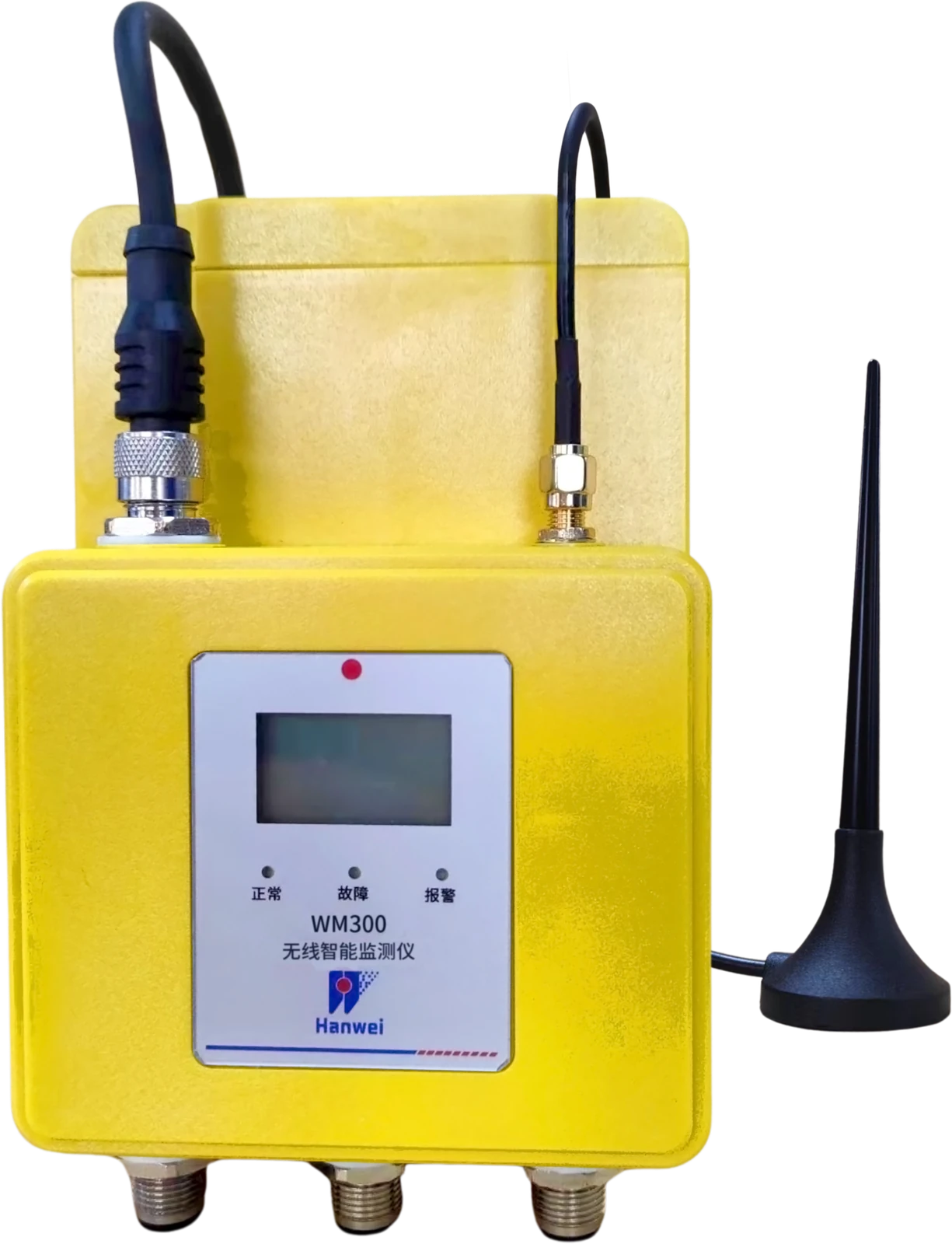
Specify gas-only or combined monitoring and confirm the available WM300 sensor package, or select a separately documented gas monitor.

Practical value

Keeps pressure and ambient gas detection requirements explicit.

Check before selection

Required sensors, placement, included functions, communication and model-specific installation.

Prepare Your Technical Inquiry

Send the country, station or cabinet type, pressure range and units, number of points, power and network conditions. Include the existing SCADA or monitoring system and desired reporting interval. Request the relevant datasheet, interface information, mounting requirements and certification evidence before selecting equipment.

Download English product selection briefs (PDF, 6 pages)

No registration required. Fill in what you know, then paste the relevant details into your inquiry.

WP180 Selection Checklist

Before selecting WP180, confirm these project details. Channel count and the installation requirements define the configuration; one fixed specification does not cover every project.

  • Number of pressure channels
  • Required pressure range for each point
  • Installation pressure point and tapping connection
  • 4G / NB-IoT network availability
  • Sampling and reporting intervals
  • Power configuration
  • Target country
  • Certification requirements
  • Platform / SCADA integration requirements

Product Overview

The WP180 Wireless Gas Pressure Monitor is a Wireless Gas Pressure Monitoring Terminal for gas utility applications. Smart Gas Pressure Monitor is its short-name reference. A pressure tapping connection feeds the sensing element; local acquisition and periodic or event-triggered wireless reporting support remote trend review and configured high / low pressure alarm records. It is intended for unattended points without demanding real-time reporting requirements. Power configuration depends on the selected project configuration.

Product category

Pipeline Safety

Natural gas gate stations, regulator stations, regulator cabinets and selected remote or unattended gas distribution pressure points.

Single-channel: one pressure measurement point

Dual-channel: two pressure measurement points, where required

4G / NB-IoT communication, subject to local network availability

Periodic or event-triggered reporting for pressure trends and configured alarm records

Application Fit & Installation Boundary

Select products for the installation environment, gas type and system role.

Application fit

Consider WP180 when the primary requirement is remote pressure visibility, high / low pressure alarm records and trend review at regulating facilities. Specify one or two pressure points. If surrounding methane monitoring is also required, review WM300 or a separately confirmed gas-monitoring configuration; pressure data alone does not detect a methane leak.

Installation context

Assess the pressure tapping connection, station or cabinet layout, power supply, wireless signal and maintenance access before installation. WP180 is intended for wall-mounted or nearby installation at regulating facilities, not buried installation in valve wells.

Selection boundary

WP180 monitors pressure; it is not a gas detector, billing meter, flow meter or inline gas main device. Pressure range, channel count, reporting frequency, battery life and certification require model and project confirmation.

Where WP180 Fits

Common gas safety scenarios where this product category can support monitoring, alarm verification or response workflows.

Natural gas gate stations

Regulator stations

Regulator cabinets

Remote / unattended pressure monitoring points

Selected gas distribution network pressure points

How WP180 Works

A product category can be selected as part of a field-to-platform safety workflow instead of as an isolated device purchase.

1Pressure sensing
2Local data acquisition
34G / NB-IoT reporting
4Remote pressure trends
5Configured thresholds and alarm records

Why Hanwei

Hanwei Smart Gas can support product selection within wider gas safety monitoring and local partner cooperation discussions.

Supports pressure visibility at key city gas operation points.
Connects pressure trend data with monitoring map and operation record workflows.
Complements methane monitoring terminals in city gas pipeline safety projects.
Supports pilot discussions for wireless pressure monitoring where cabling is difficult or site access is limited.

Certification availability varies by product and target market. Contact us for confirmed specifications.

FAQ

Common questions for early product selection and project discussion.

What is the WP180 used for?

WP180 provides remote pressure monitoring for natural gas distribution facilities, including gate stations, regulator stations, regulator cabinets and unattended pressure points. It supports pressure trend and alarm review; it is not a methane detector or automatic regulator controller.

Can WP180 monitor two pressure points?

Yes. A single-channel configuration monitors one pressure point, while a dual-channel configuration monitors two. Upstream / downstream pressure review can be configured where required, subject to installation and project configuration; it is not a standard requirement for every station.

Does WP180 support NB-IoT and 4G?

4G / NB-IoT are the current overseas communication options. Confirm local network availability, reporting interval and the supplied communication configuration for the target country.

What pressure ranges are available?

Confirm the required pressure range and units for each measurement point against the current WP180 datasheet and supplied configuration. Do not assume that both channels use the same range.

Where can WP180 be installed?

Typical sites include natural gas gate stations, regulator stations, regulator cabinets and selected remote distribution pressure points. Review wall-mounted or nearby placement, the pressure tapping connection, network coverage and maintenance access. It is not a buried valve-well monitor or an inline section of the gas main.

Does WP180 require external power?

The cited official overview describes lithium-battery operation. Confirm the supplied battery specification, reporting profile and maintenance plan. Other power options require model-specific documentation.

What certifications are available for WP180?

Certification availability depends on the selected configuration and target market. Contact Hanwei Smart Gas for model-specific compliance information.

Can WP180 connect with SCADA or a smart gas platform?

Confirm the receiving platform, data interfaces and integration responsibilities for the project. Wireless reporting does not establish compatibility with every SCADA system.

Product Inquiry

Discuss product selection, pilot scope and target-market requirements with Hanwei Smart Gas.

Discuss Product Selection

Share the application scenario, target gas, installation environment and expected integration method so the appropriate product direction can be reviewed.

Contact / Inquiry Form

Share your product interest, target market and application scenario so our team can review your inquiry and contact you.

You can also contact [email protected]. For technical drawings or equipment photos, ask our team about a suitable transfer method. Share only material you are authorized to disclose and include your inquiry reference when available.