
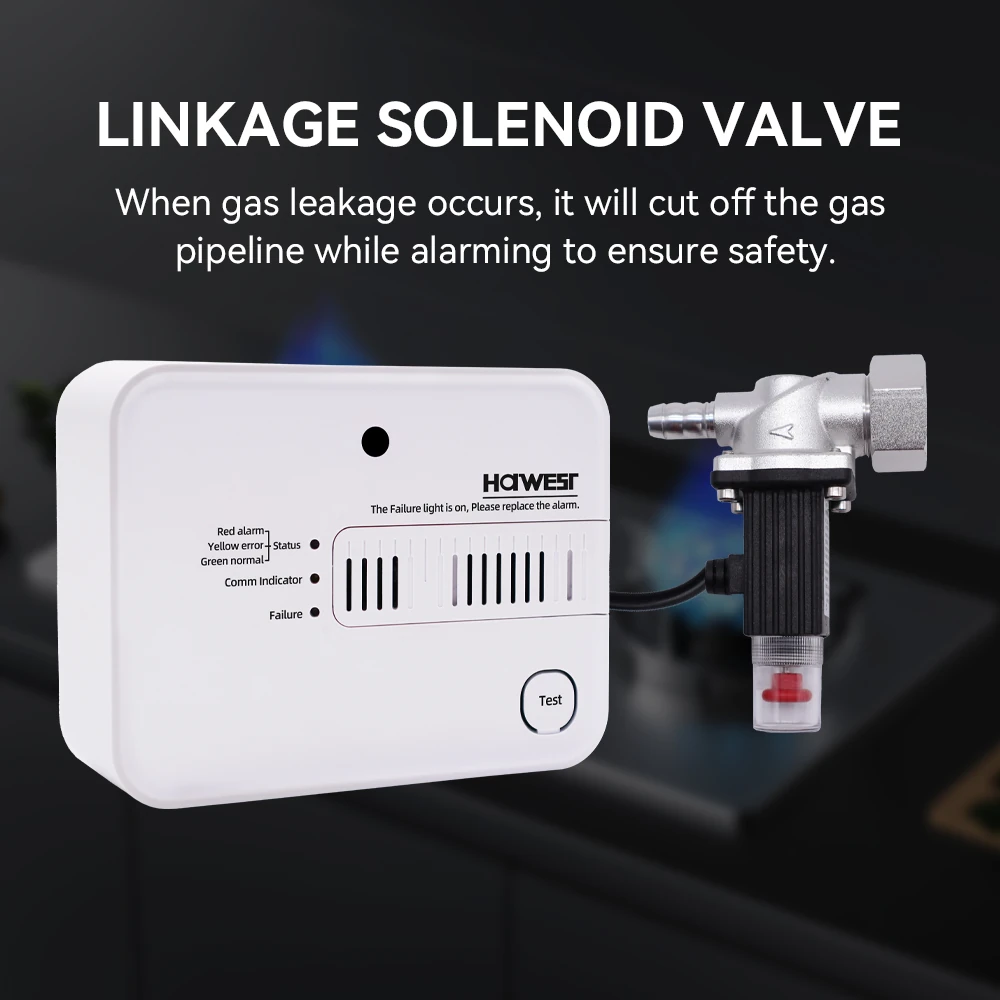
Gas Safety Basics
Battery-Powered vs Mains-Powered Natural Gas Alarms
Choosing a natural gas alarm for older kitchens without a suitable power outlet: compare battery-powered JT-KBA6 with mains-powered JT-KWE and optional linkage.
View ResourceHanwei Smart Gas
Home / Knowledge Center
Technical guides, application insights and gas safety knowledge for overseas projects.
Featured Guide
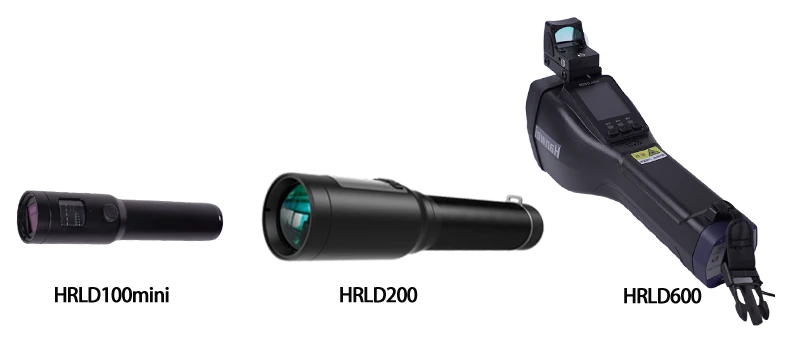
Gas Detection Technology
Compare remote methane screening with portable gas detection. Define the inspection task, gas coverage and model requirements before requesting a quotation.
Read GuideStart with practical topics for gas network monitoring, odorization records and commercial gas detection applications.
Gas Safety Basics
Choosing a natural gas alarm for older kitchens without a suitable power outlet: compare battery-powered JT-KBA6 with mains-powered JT-KWE and optional linkage.
View Resource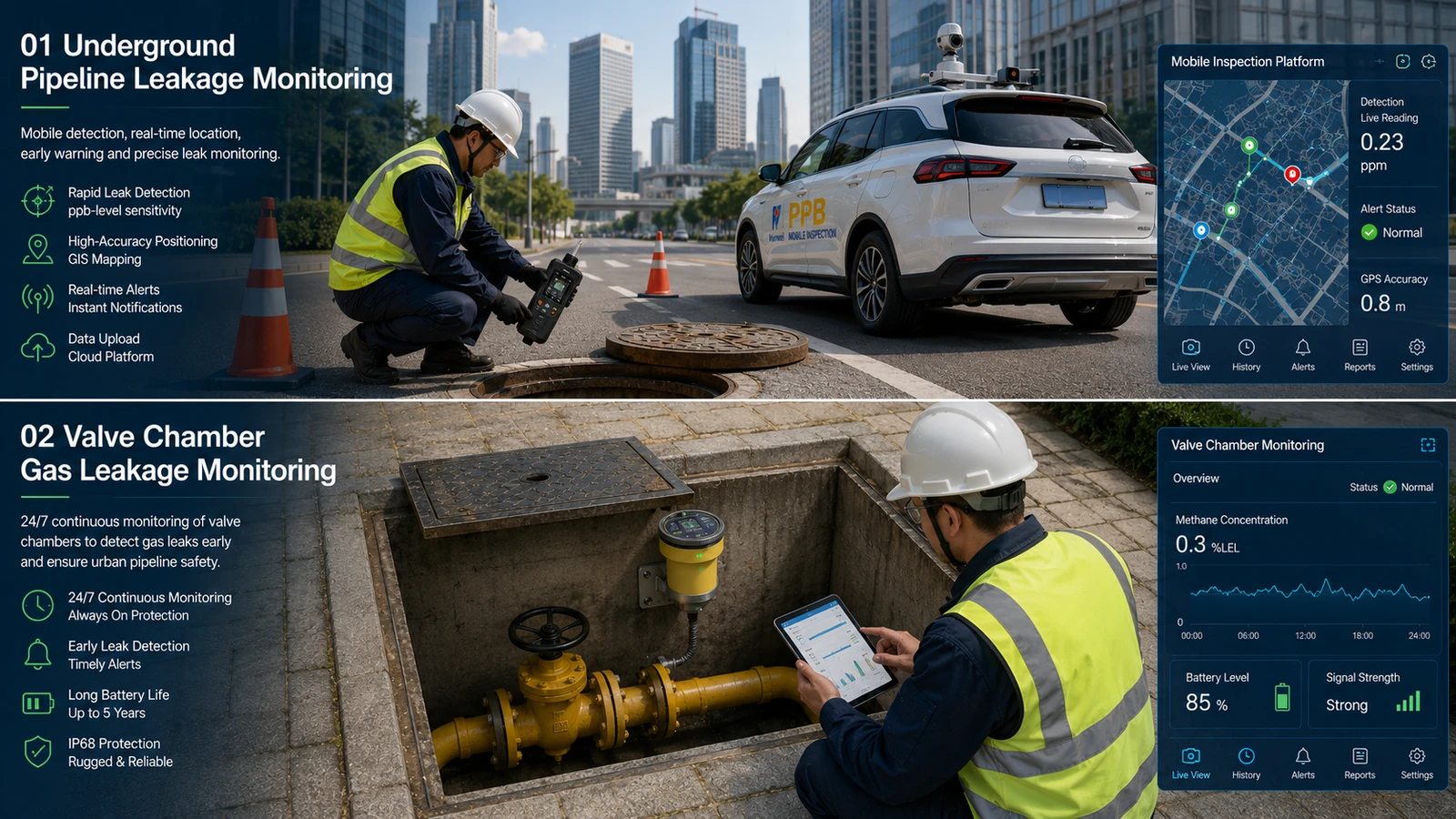 Concept illustration
Pipeline Safety
Plan valve chamber methane monitoring with WG160II and WG360II: define gas and optional channels, site conditions, communications and maintenance access.
View ResourceConcept illustrationPipeline Safety
A practical overview of field sensing, monitoring maps, alarm handling and response records for gas utility projects.
View Resource Concept illustration
THT Monitoring
Understand how odorization records and THT monitoring can support utility safety management and operation review workflows.
View Resource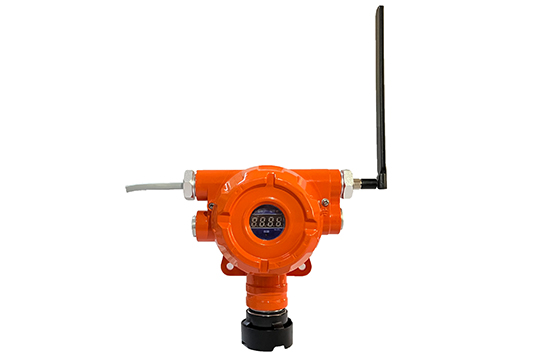
Gas Detection Technology
Explore how detectors, alarm controllers and response workflows fit commercial gas-using facilities.
View Resource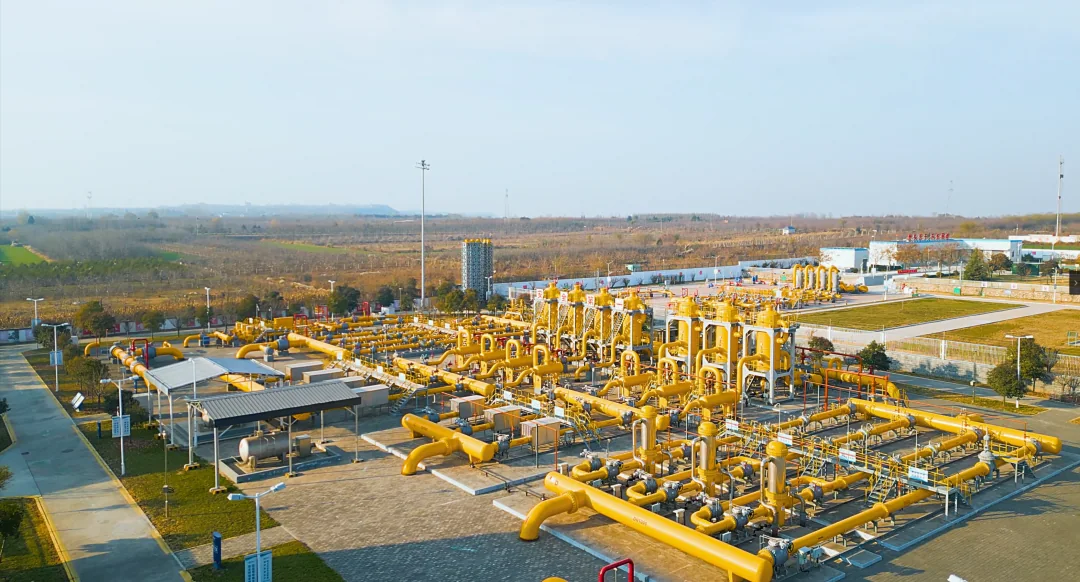 Concept illustration
Gas Utility Digitalization
Understand how leak alarms, repair verification and structured records can support methane management discussions.
View ResourceBrowse gas safety knowledge by technology area, application scenario and project discussion topic.
Core concepts for gas detection, leakage risk awareness and alarm response planning.
ExploreGuides for fixed detectors, portable inspection tools and field verification scenarios.
ExploreBackground on odorization as a safety barrier for natural gas distribution.
ExploreKnowledge for THT records, odorization trends and target-market review workflows.
ExploreMetering topics for utility operation, data visibility and project evaluation.
ExplorePipeline leakage, pressure points, valve chambers and monitoring map workflows.
ExplorePlatform thinking for connected devices, inspection records and response workflows.
ExploreReference topics for project discussion, compliance review and target-market confirmation.
ExploreEntry points for application notes, technical guides, product learning and compliance discussion.
Scenario-focused notes for utilities, facilities, engineering companies and local partners.
Practical guidance for gas detection, pressure monitoring, odorization and platform workflows.
Product category learning paths for detector, controller, monitoring terminal and platform selection.
Common questions for early-stage project evaluation and product selection discussions.
Reference topics for target-market review, certification confirmation and operation evidence.
Technical articles and application insights connected to gas safety products, solutions and overseas project evaluation.
Gas Detection Technology
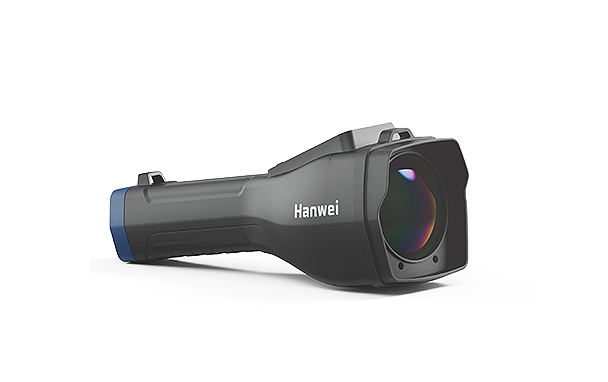
For a walking patrol, first decide what the crew must bring back: a methane reading along a sight line, an image of a suspected gas plume, or a concentration measured at a particular point.
Read articleGas Safety Basics
Choosing a natural gas alarm for older kitchens without a suitable power outlet: compare battery-powered JT-KBA6 with mains-powered JT-KWE and optional linkage.
Read articleConcept illustrationPipeline Safety
Plan valve chamber methane monitoring with WG160II and WG360II: define gas and optional channels, site conditions, communications and maintenance access.
Read articleConcept illustrationTHT Monitoring
A procurement checklist for THT sampling, measurement requirements, calibration, maintenance and data integration.
Read article
Gas Detection Technology
Compare route coverage, site access, field verification and data requirements before selecting gas pipeline survey equipment.
Read article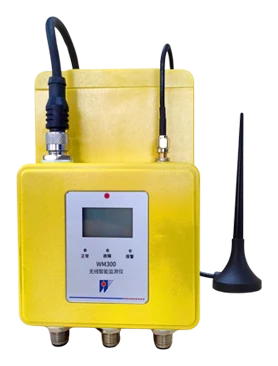
Pipeline Safety
Specify pressure points, ranges, channels, reporting intervals and integration for gas regulator stations and cabinets.
Read article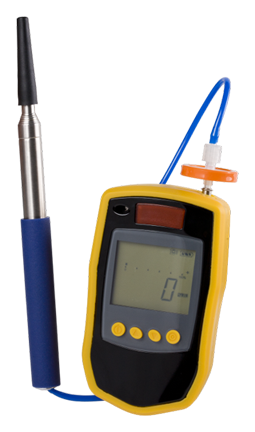
Gas Safety Basics
Gas detector definitions, sensing principles and application scenarios for early project evaluation.
Read articleConcept illustrationNatural Gas Odorization
Odorization purpose, odorants and THT monitoring boundaries for natural gas distribution.
Read article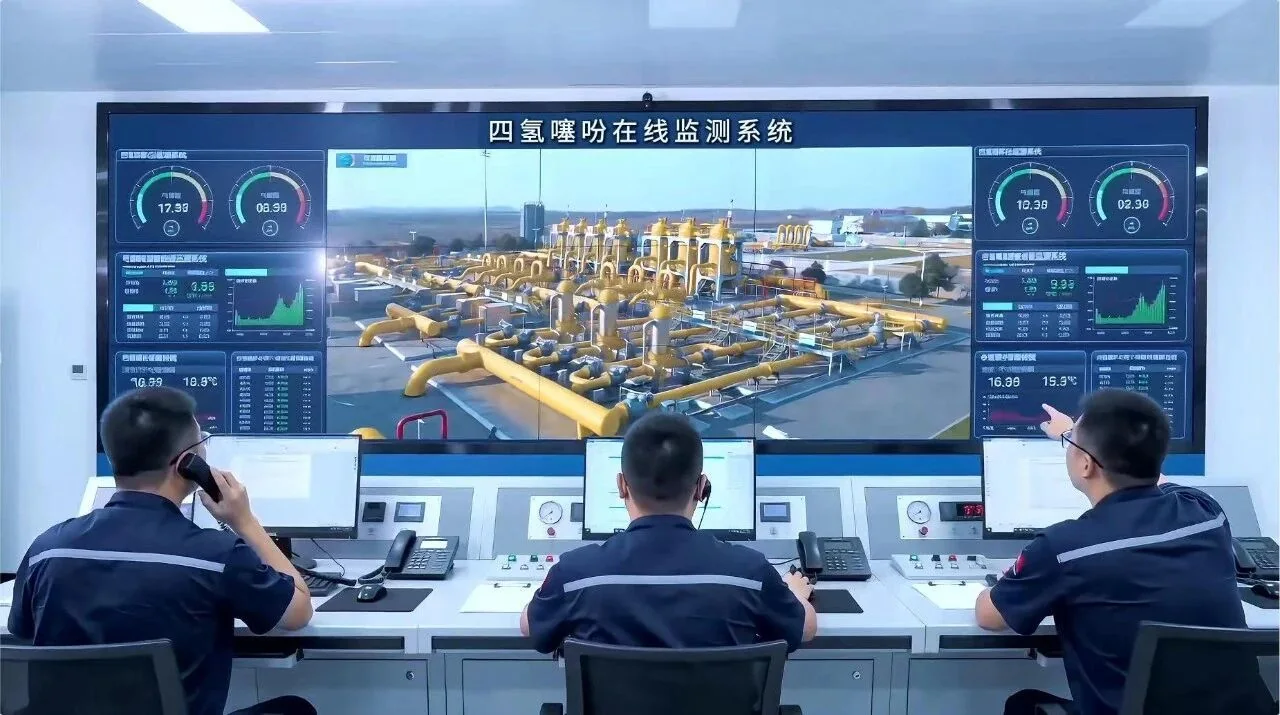 Concept illustration
THT Monitoring
THT records, exception handling and operation evidence for utility odorization workflows—monitoring ≠ injection.
Read article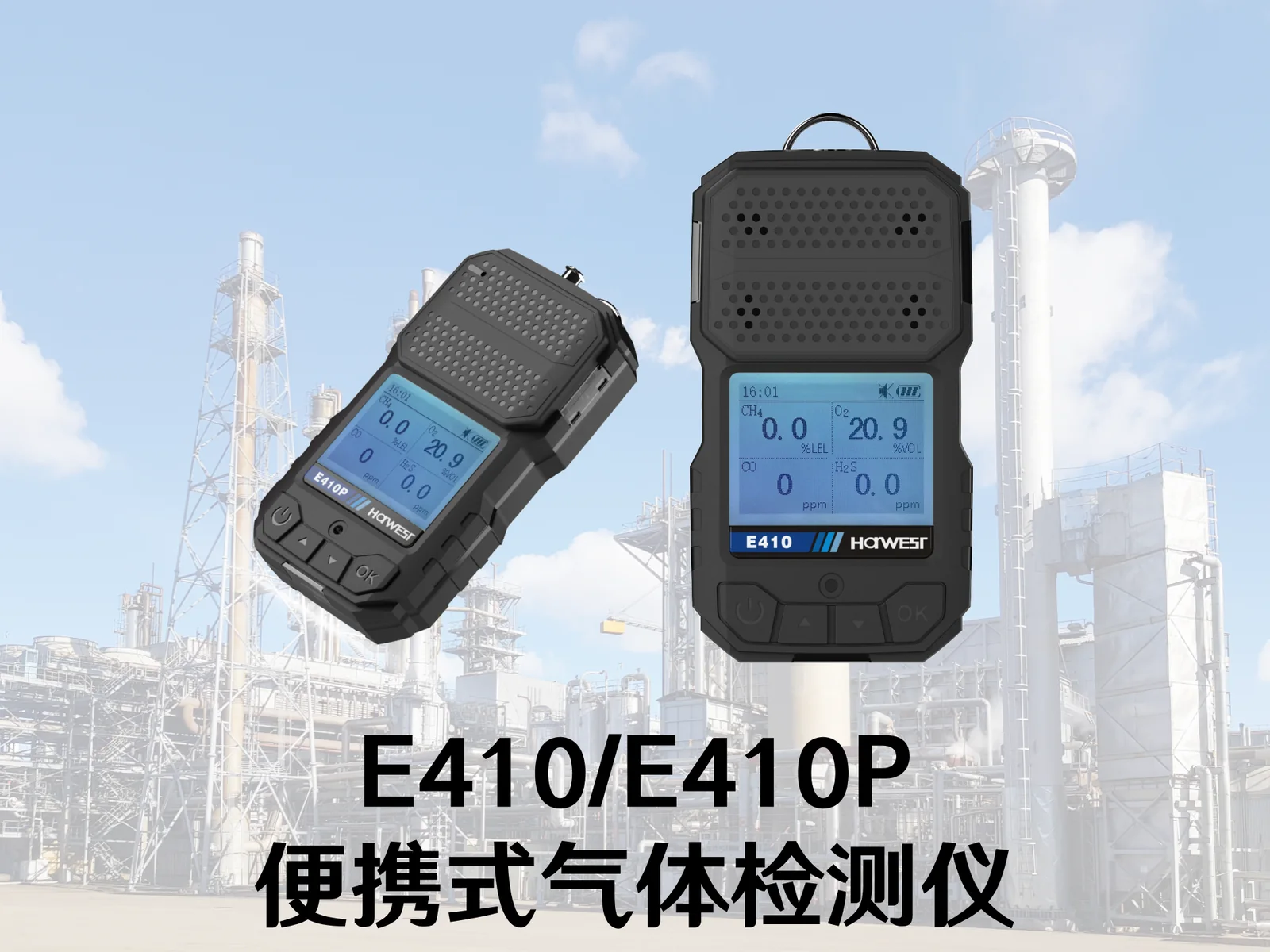 Concept illustration
Gas Detection Technology
A fixed detector watches an installed point and can signal a site alarm. A portable detector travels with the crew. Start with who needs the warning and where they will be when it occurs.
Read articleGas Safety Basics
Start with the fuel in use and who must receive an alarm. Then decide whether the kitchen needs a standalone detector, a shared alarm panel or a tested shut-off interface.
Read article Concept illustration
Smart Gas Metering
Plan smart gas metering from meter selection and remote readings to usable utility records and pilot checks.
Read articleConcept illustrationPipeline Safety
What gas pipeline monitoring covers: pressure points, valve wells, leak-related alerts and map workflows—not GIS route mapping.
Read articleConcept illustrationGas Utility Digitalization
Gas leak alarms are the first step toward MRV-ready methane data for LDAR for gas utilities.
Read article Concept illustration
Pipeline Safety
A practical LDAR workflow for gas utilities moving from leak alarms to verified repair records—survey tools included.
Read articleConcept illustrationGas Utility Digitalization
Key data fields for methane leak records, repair verification and future MRV-ready support.
Read article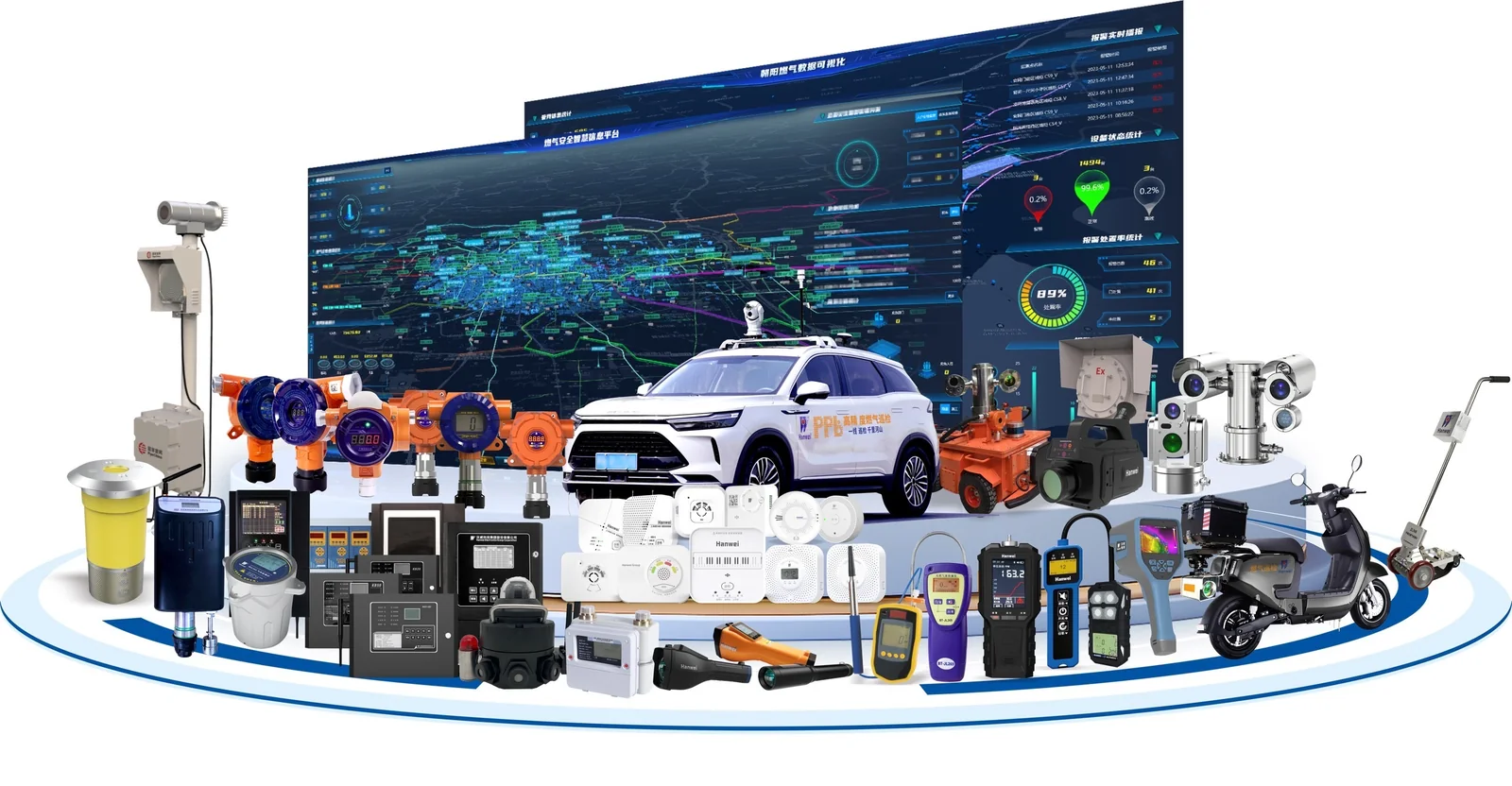 Concept illustration
Pipeline Safety
How leak detection and repair records can support safer operation, lower gas loss and ESG data preparation.
Read article Concept illustration
Standards & Regulations
Global methane management themes and practical implications for gas utility LDAR data workflows.
Read article Concept illustration
Gas Utility Digitalization
Structured gas safety data, analytics readiness and connected operation workflows.
Read article