
Gas Detection Technology / 2026-09-27
Article Summary
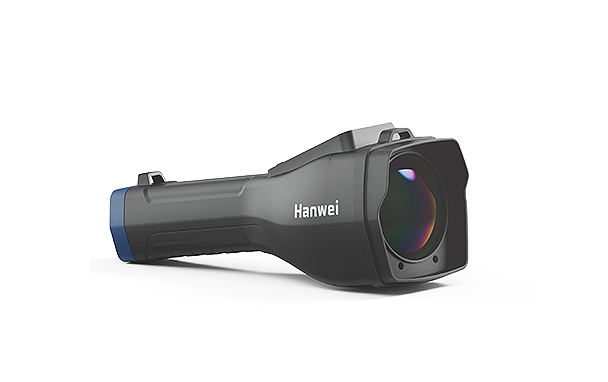
Choose by the measurement task, not by whether an instrument fits in one hand. Hanwei HRLD600 is a handheld laser methane detector for non-contact natural gas inspection. A portable gas detector must be selected against its own gas channels and measurement method. Remote methane screening and measurement at an accessible inspection point can be separate parts of a patrol plan. Do not treat a methane-only instrument as a general combustible-gas detector or assume that every portable detector measures the same gases.
Start with the question the operator needs to answer
For each inspection step, write down what needs to be observed and how the result will be used. A broad request for a gas detector can otherwise produce quotations for instruments with different purposes.
- Remote methane screening: review a handheld laser instrument when the task calls for non-contact inspection.
- Accessible inspection points: review the exact portable instrument, its target gases and its measurement arrangement.
- Route survey followed by investigation: specify which tool is used at each stage and how the team records the follow-up result.
Walking a gas line with the HRLD600
Consider a technician screening an elevated pipe joint from a walkway. The HRLD600 uses a laser to screen the sight line for methane (CH4). For a quotation, describe where the technician can stand, the distance to the joint and the surface behind it. If the patrol also requires a concentration at the joint itself, specify that follow-up measurement separately.
Supports the named model, methane target and laser detection principle. Confirm detailed performance against the supplied version.
When to compare the R10 infrared imaging instrument
If a station crew needs to show colleagues where a suspected plume appeared in an image, review the R10. It combines infrared imaging with a remote laser channel for methane. For an imaging request, name the gas you want to visualize and ask Hanwei to confirm suitability for the scene. For a methane reading along a patrol sight line, start with the HRLD600 specifications.
The manufacturer lists infrared imaging and identifies methane as the target of the remote laser detector.
Compare requirements without mixing specifications
Ask each supplier to state the exact model, sensing method, gas coverage, displayed units and intended operating procedure. Keep these fields alongside the quotation rather than comparing product names alone.
- Record required access and working distance for each inspection location.
- Describe obstructions, target surfaces and expected operating conditions for a site suitability review.
- List required records and interfaces; do not assume that every portable instrument exports the same data.
- Keep accessories, charging arrangements, maintenance and target-country documents in the scope.
Keep screening and follow-up separate
A methane indication is a reason for investigation under the operator’s procedure. It is not, by itself, a confirmed source, an emission rate or an authorization to enter a space. Define the follow-up task before purchasing the equipment so the operator knows how a patrol result becomes a recorded finding.
- Identify the asset and inspection location.
- Record the indication and relevant operating context.
- Assign follow-up to the responsible team and retain the outcome.
Prepare a useful inquiry
Use the related product links below to compare the proposed equipment. In your inquiry, describe the country, methane inspection task, access constraints, required working distance, record needs, quantity and documentation requirements. If you already use a portable detector, include its model and the role it will continue to serve.