
Pressure and methane-related monitoring at selected network nodes
Support practical gas safety operation with clearer visibility, records and response workflows.
Application Scenario
Home / Applications / Gas Regulator Cabinet & Valve Well Dual-Parameter Integrated Monitoring
Integrated pressure and methane-related monitoring application for regulator cabinets, valve wells and unattended gas distribution network nodes.
Field Devices
Gas detectors, pressure points, odorization terminals and inspection devices.
Monitoring Map
Map-based visibility for sites, networks, alarms and device status.
Alarm Workflow
Classify alarms, route response tasks and keep event context connected.
Response Record
Keep patrol, verification and response evidence available for review.
Operational Needs
Hanwei frames application pages around the operating conditions, risk points and response workflows that matter to each customer type.
Support practical gas safety operation with clearer visibility, records and response workflows.
Support practical gas safety operation with clearer visibility, records and response workflows.
Support practical gas safety operation with clearer visibility, records and response workflows.
Support practical gas safety operation with clearer visibility, records and response workflows.
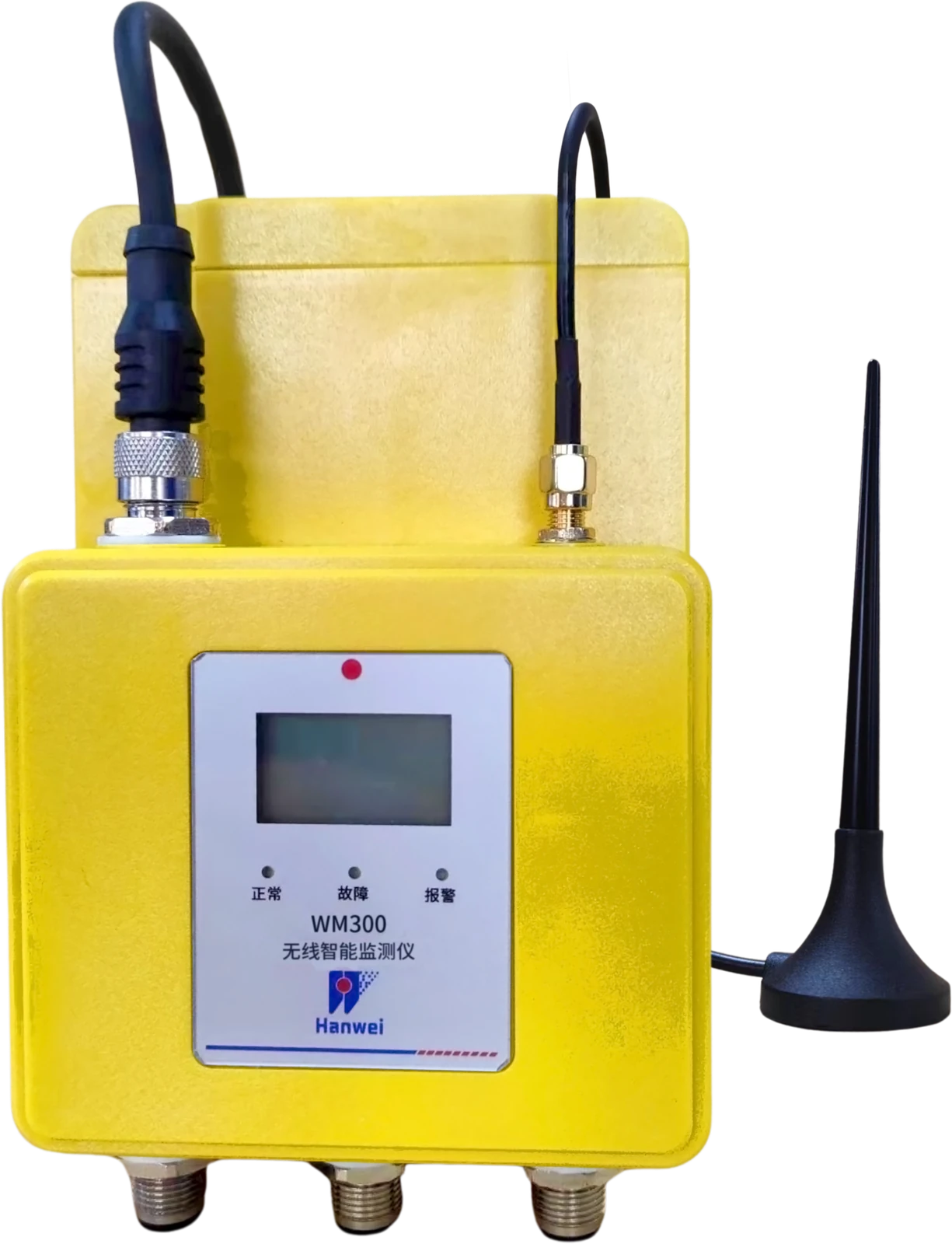
Pressure trends and chamber gas indications are different evidence types. Confirm WM300, WP180 or well-monitor suitability for each environment; do not treat one device as interchangeable across cabinets and flooded wells.
Application Details
Explore the operating conditions, monitoring tasks and response needs for each scenario, with product selection boundaries to review before deployment.
Scenario 1
Where it is usedCommunity, industrial park or facility regulator cabinets and pressure regulating boxes.
Customer problemPressure monitoring and gas risk awareness may be handled by separate devices, increasing installation and data management complexity.
Hanwei Smart Gas approachReview battery-powered WM300 where power wiring is difficult. Specify pressure-only, gas-only or combined needs and confirm available sensors; use WP180 for a dedicated pressure requirement. For pressure-only regulator points, also open the pressure monitoring solution and wireless pressure selection guide.
Customer valueSupport more integrated network node monitoring, alarm review and maintenance records.
Safety boundaryPressure trends and surrounding gas indications are different evidence types. Confirm each sensor package; a pressure reading does not prove a leak.
Scenario 2
Where it is usedUnderground gas valve wells, pipe trench wells and selected unattended public gas areas.
Customer problemWeak signal areas and underground maintenance constraints can make data continuity and field response harder.
Hanwei Smart Gas approachReview a dedicated well-monitoring product such as WG360II against humidity, water exposure and communications. Do not infer WM300 suitability from its use in regulator cabinets. Use the valve-chamber selection guide before fixing a district equipment package.
Customer valueHelp operators improve record continuity and reduce unnecessary field intervention where project conditions allow.
Safety boundaryCabinet device ratings do not establish flooded-well suitability. Remote readings do not authorize confined-space entry.
Scenario 3
Where it is usedSelected districts where pressure visibility and methane-related alarm records need to be reviewed together.
Customer problemSeparate data sources can make pressure trends, gas alarms and maintenance response difficult to connect.
Hanwei Smart Gas approachConnect WM300, WP180 or WG360II discussions with platform trend records, alarm workflows and response archives. Keep city-gas corridor leak tools and LDAR survey equipment on their own selection paths when route inspection is also in scope.
Customer valueSupport a cleaner pilot structure for dual-parameter monitoring and gas distribution operation review.
Safety boundaryShared operator review does not mean one terminal measures every parameter at every node. Confirm each installation environment separately.
Recommended Solution Path
These solution paths show how Hanwei packages monitoring points, devices and platform records around the application scenario.
 Valve Chamber
Select pressure and gas monitoring separately for regulator cabinets and underground assets, using devices matched to each environment.
View SolutionPipelineMonitor inlet or outlet pressure at a regulator station or cabinet. Define the tapping points, pressure range and reporting interval before selecting a wireless monitor such as WP180.
View SolutionPipelineStart with the location and the decision your operator needs to make. A regulator station may need pressure trends, a valve chamber may need methane alarms, and a patrol crew may need to investigate a suspected leak along the route.
View SolutionLDARConnect fixed monitoring and mobile patrol with field investigation, repair follow-up and verification records for a scoped utility LDAR program.
View SolutionHow It Works
Hanwei is positioned as a gas safety operation partner, connecting devices, maps, alarms and records instead of presenting isolated equipment only.
Step 1
Gas detectors, pressure points, odorization terminals and inspection devices.
Step 2
Map-based visibility for sites, networks, alarms and device status.
Step 3
Classify alarms, route response tasks and keep event context connected.
Step 4
Keep patrol, verification and response evidence available for review.
Step 5
Support local delivery through pilot planning and technical discussion.
Next Step
Share your target sites, operating role and priority risks. Hanwei can help structure a focused application discussion, solution path or pilot proposal.
Application-led solution planning
Field devices, monitoring map, alarm workflow and partner support.