
Residential Remote Reading
Link each meter identifier to the correct customer or premises record and collection period. Agree how a missing or delayed report is flagged for review rather than treating an absent reading as zero consumption.
Hanwei Smart Gas
Home / Metering Data Operation Management
Connect collected meter readings with asset records, data review and agreed utility workflows, from remote reading follow-up to revenue-system handover.
Answer Summary
Hanwei Smart Gas supports gas utilities, distributors and integration teams in connecting meter data collection with operational records. This solution focuses on how readings from residential, commercial and industrial metering points reach a platform and are prepared for an agreed business workflow. Project scoping covers meter identifiers, timestamps, units, missing-reading review and interfaces to existing utility systems. The aim is traceable data handover, not an automatic replacement for billing software or proof of gas losses. Meter compatibility, communication, data fields, correction basis, integration, certification and settlement requirements need product model and target market confirmation.
Collecting readings is only the first step. A reading without a clear meter identity, time or measurement basis may not be usable by the next team. Missing reports, changes in meter assignments and separate billing systems can make it difficult to trace which data was reviewed and handed over.
Hanwei scopes metering data and AMI integration around the available meters, collection path, platform access and receiving business system. Agree the data fields and identifiers, define how exceptions are reviewed, and confirm the handover interface and responsibilities. Functions such as validation, reconciliation or billing exchange belong in the agreed implementation scope, not an assumed list of standard platform capabilities.
The solution is organized around operating scenarios first, then product selection and platform workflow.
Metering devices provide the source readings; collection and platform components connect them to the agreed workflow. Compatibility with existing meters, AMI systems and billing software requires interface review.
Metering data and AMI integration
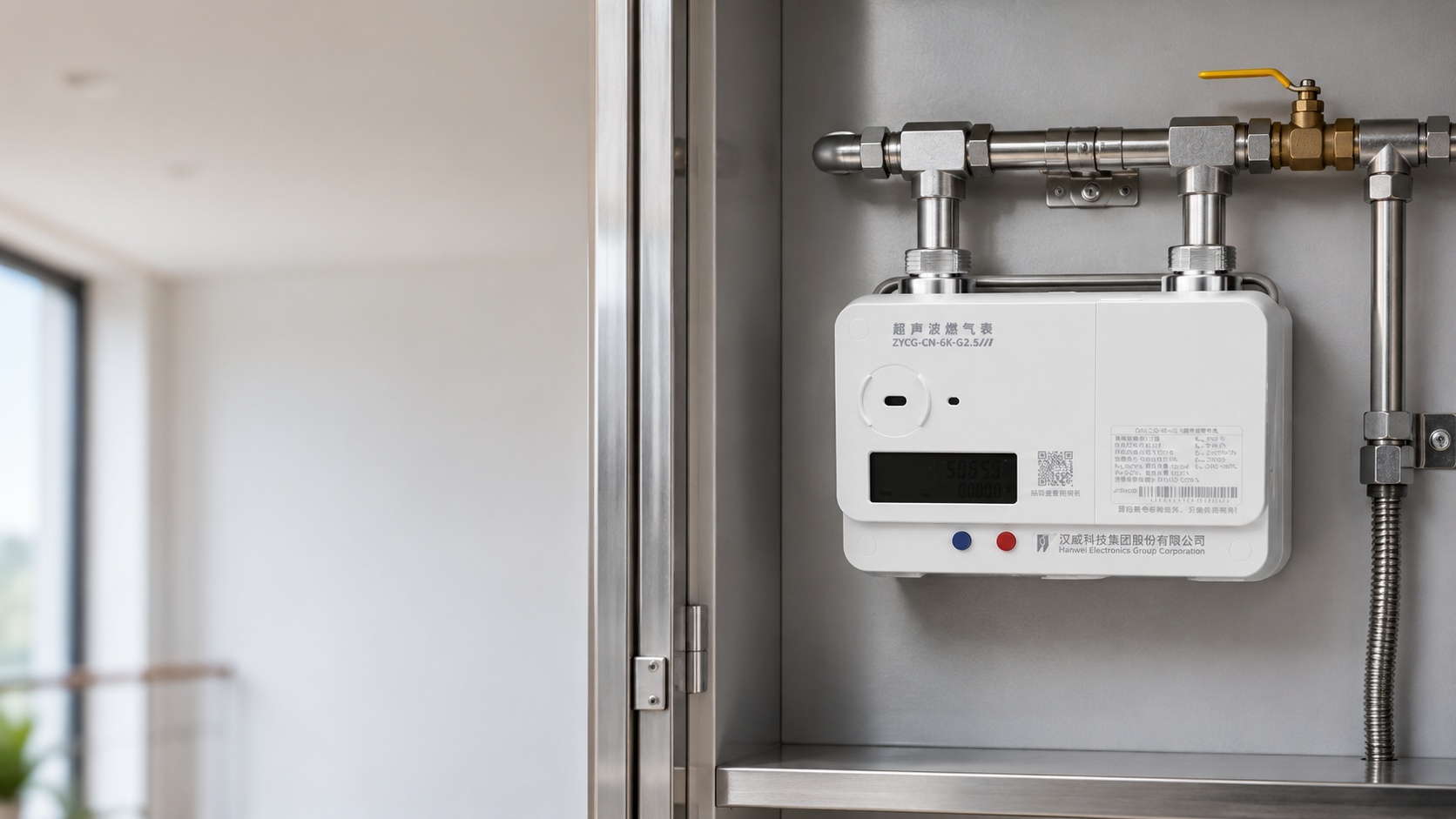
Residential smart gas meters
Commercial and industrial gas meters
Smart Gas Safety Monitoring Platform
Data and Integration ScopeConfirm supported meters, protocols, units, timestamps, correction basis and data interfaces before integration. Validation rules and billing or reporting use depend on project scope and target market requirements; a data connection alone does not establish billing approval or measured gas loss.
Organize the project around the team that needs the reading and the decision it is intended to support.
Link each meter identifier to the correct customer or premises record and collection period. Agree how a missing or delayed report is flagged for review rather than treating an absent reading as zero consumption.
Keep the metering point, units and measurement basis with the reading. Where volume correction is used, identify what the value represents before handing records to utility accounting or facility operations teams.
Define which records the existing billing system accepts, how they are matched and who resolves exceptions. Data exchange supports a billing workflow; tariffs, invoice generation and settlement decisions remain within the agreed business-system scope.
Before comparing input and customer-side readings, align boundaries, periods and measurement bases. Differences can prompt investigation but do not, by themselves, distinguish leakage from timing, measurement or incomplete-data effects.
Use these review steps to turn a connectivity request into a defined implementation scope, not a promise of preconfigured functionality.
List meter models, available protocols, identifiers, timestamps, units and reading types. Confirm whether records contain cumulative values, interval values or corrected volumes before mapping them to the receiving system.
Agree checks for missing, duplicate or inconsistent records, who reviews them and how a correction is documented. Any validation or cleaning functions must be confirmed as part of the selected platform and implementation.
Use representative records to review mapping, interface responses and responsibility for rejected data. Confirm the expected handover result with the utility before extending the integration across additional meter groups.
Key stages in this solution, from the starting point to the operational outcome.
How this solution supports day-to-day operations and project delivery.
Explore products for this gas safety application.
Explore technical guides related to this solution.
Share your target market, meter models and quantities, available protocols, collection intervals and existing AMI, platform or billing system. Identify the intended users, required fields and exception-handling process. Representative non-sensitive data and interface documentation can help define a limited pilot and its handover acceptance criteria.
Meter selection addresses the physical measurement and installation. Metering data management addresses how available readings are identified, collected, reviewed and handed to another system or team. Both scopes must be compatible, but they solve different parts of the project.
Compatibility must be reviewed against the actual meter models, protocols, data fields and available interfaces. Do not assume universal connectivity. A limited integration pilot should confirm the agreed exchange before wider rollout.
Not by default. Meter data can support an agreed revenue-system interface, while tariff rules, invoice generation and settlement remain with the designated business system. The interface, data acceptance rules and responsibilities require project confirmation.
The implementation should define how an exception is identified, reviewed and resolved. Missing data should not be interpreted automatically as zero consumption. Automated validation, estimation or correction must not be assumed unless explicitly included and approved in the project scope.
No. Comparable boundaries, collection periods and measurement bases are needed before interpreting a difference. Timing, incomplete records and measurement conditions may affect the comparison. Metering data alone does not establish a leak source, leak rate or verified emissions reduction.
Certification availability varies by product and target market. Contact us for confirmed specifications.
Share your product interest, target market and application scenario so our team can review your inquiry and contact you.