
Real-time leakage risk awareness for household kitchens
Support practical gas safety operation with clearer visibility, records and response workflows.

Application Scenario
Home / Applications / Residential Kitchen Gas Safety Monitoring
Indoor kitchen gas safety monitoring for residential buildings, apartments, rental housing and utility-side remote alarm supervision.
Field Devices
Gas detectors, pressure points, odorization terminals and inspection devices.
Monitoring Map
Map-based visibility for sites, networks, alarms and device status.
Alarm Workflow
Classify alarms, route response tasks and keep event context connected.
Response Record
Keep patrol, verification and response evidence available for review.
Operational Needs
Hanwei frames application pages around the operating conditions, risk points and response workflows that matter to each customer type.
Support practical gas safety operation with clearer visibility, records and response workflows.
Support practical gas safety operation with clearer visibility, records and response workflows.
Support practical gas safety operation with clearer visibility, records and response workflows.
Support practical gas safety operation with clearer visibility, records and response workflows.
Application Details
Explore the operating conditions, monitoring tasks and response needs for each scenario, with product selection boundaries to review before deployment.
Scenario 1
Where it is usedHousehold kitchens in residential buildings and apartments.
Customer problemTraditional household alarms may create false alarms and only alert locally when no one is at home.
Hanwei Smart Gas approachUse JT-KWE residential combustible gas alarms for diffusion-type methane detection, local alarm and remote alarm reporting.
Customer valueImprove household leakage awareness while keeping alarm events and follow-up records available for operation teams.
Safety boundaryThe device is installed in indoor residential environments and is not connected directly to a gas main pipeline.
Scenario 2
Where it is usedRenovation or replacement projects for older residential communities.
Customer problemOlder alarm devices can be difficult to manage in batches and may lack online status visibility.
Hanwei Smart Gas approachDeploy residential alarms with remote reporting options and organize device status, alarm records and service follow-up through a platform workflow.
Customer valueSupport safer community upgrade planning and more structured maintenance records.
Safety boundarySelection, communication method and linkage scope should be confirmed by project requirements and local market rules.
Scenario 3
Where it is usedRental apartments, talent apartments and managed residential properties.
Customer problemProperty operators may not know whether alarms are online, faulty or triggered until residents report issues.
Hanwei Smart Gas approachConnect household alarms to remote alarm reporting and maintenance follow-up workflows for managed housing scenarios.
Customer valueGive property teams clearer alarm visibility and reduce purely passive response.
Safety boundaryThis solution supports indoor leakage alarms, not process gas analysis or inline metering.
Scenario 4
Where it is usedElderly care residences, assisted-living apartments and households requiring additional supervision.
Customer problemLocal-only alarms may not reach family members or service teams quickly enough.
Hanwei Smart Gas approachUse local sound and light alarm together with remote alarm reporting and optional valve linkage where confirmed by project scope.
Customer valueSupport faster awareness, field response and event record management for vulnerable residential users.
Safety boundaryThe system supports monitoring, alarm reporting and response workflows. Safe operation, maintenance and appropriate response remain necessary; accident prevention cannot be guaranteed.
Scenario 5
Where it is usedCity gas utility or operator-side residential safety programs.
Customer problemUtilities need device status, alarm events and service records across many household sites.
Hanwei Smart Gas approachConnect JT-KWE alarms, optional solenoid valve linkage and platform event records into a household safety monitoring workflow.
Customer valueHelp operators connect alarm events with response records and maintenance follow-up.
Safety boundaryCertification availability and local compliance requirements must be confirmed by target market and product model.
Recommended Solution Path
These solution paths show how Hanwei packages monitoring points, devices and platform records around the application scenario.
ResidentialHousehold gas safety monitoring solution connecting residential combustible gas alarms, local alarm, remote reporting, optional valve linkage and platform-based response workflows.
View SolutionResidentialConnect indoor household gas alarms with local response, optional remote reporting and service follow-up for residential buildings and community safety programs.
View Solution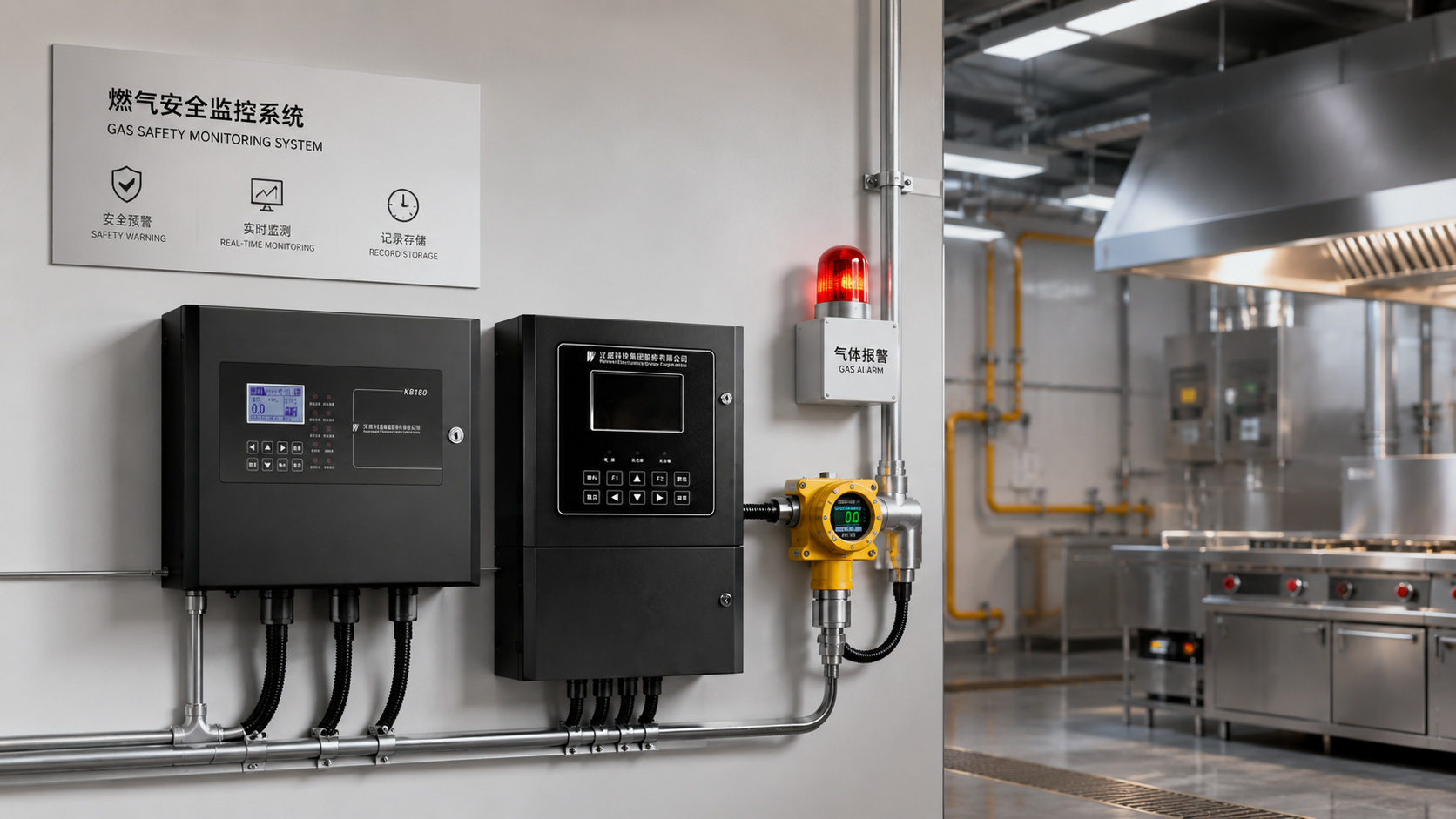 Solution
Digital gas utility structure connecting metering, safety monitoring, data workflows and future AI analysis.
View Solution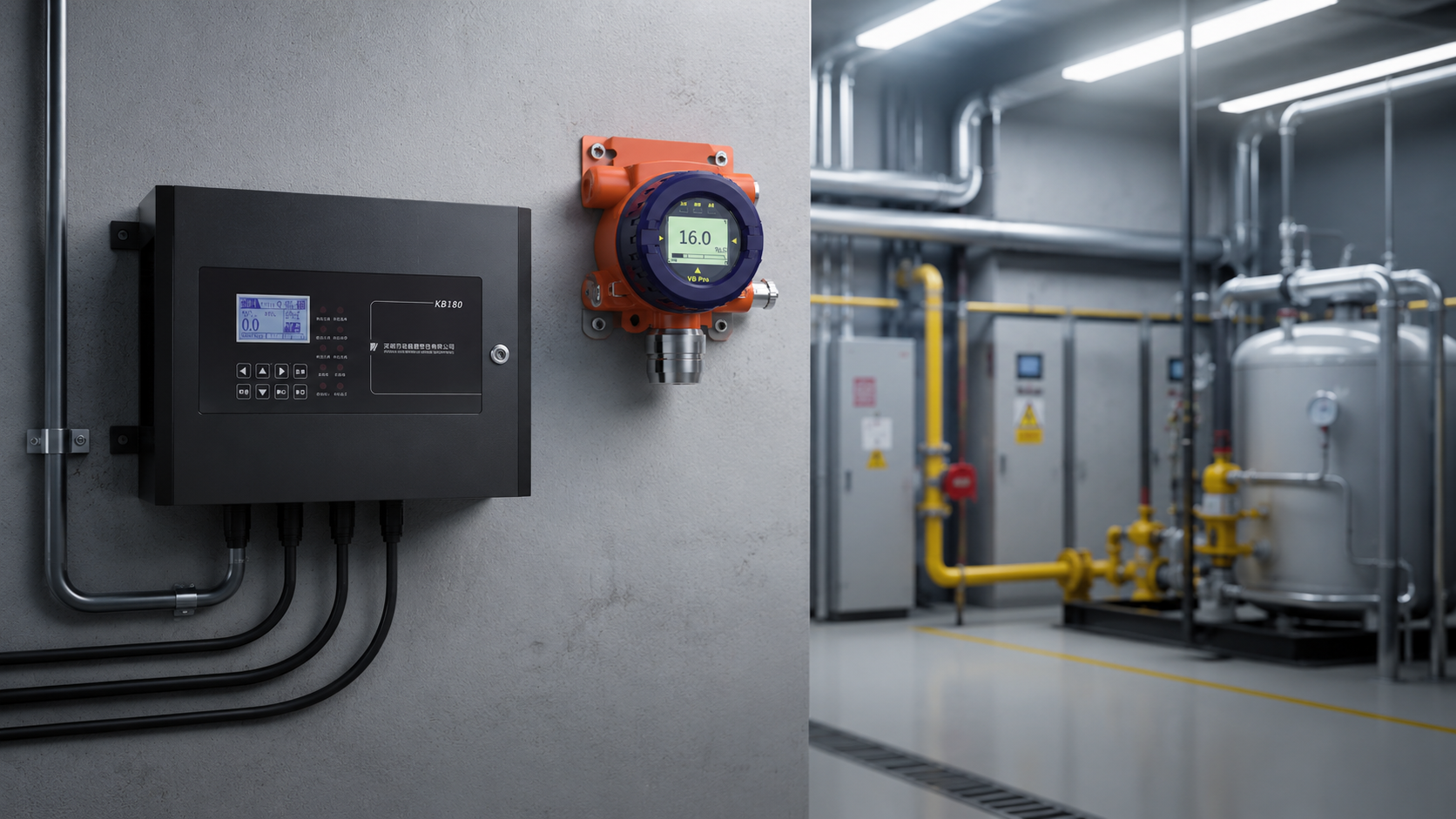 Platform
Gas IoT, alarm monitoring and operation platform structure for connected gas safety workflows.
View SolutionHow It Works
Hanwei is positioned as a gas safety operation partner, connecting devices, maps, alarms and records instead of presenting isolated equipment only.
Step 1
Gas detectors, pressure points, odorization terminals and inspection devices.
Step 2
Map-based visibility for sites, networks, alarms and device status.
Step 3
Classify alarms, route response tasks and keep event context connected.
Step 4
Keep patrol, verification and response evidence available for review.
Step 5
Support local delivery through pilot planning and technical discussion.
Next Step
Share your target sites, operating role and priority risks. Hanwei can help structure a focused application discussion, solution path or pilot proposal.
Application-led solution planning
Field devices, monitoring map, alarm workflow and partner support.